Carrots generally rings a bell when we consider food and eye wellbeing, incompletely in light of the fact that this is one of the primary food-wellbeing associations a large number of us find out about in adolescence. In any case, regardless of whether this wasn’t true, eating carrots has become inseparable from having great visual perception and sound eyes.The reality is that carrots aren’t the only foods to eat to optimize your eye health. Sure, they’re a great source of vitamin A, a key nutrient for eye health, but carrots aren’t the only (or necessarily the best) source. There are several other foods for eye health, thanks to other nutrients like vitamin C, vitamin E, zinc, selenium and omega-3s, that are worth adding to your eating pattern.
Oysters

Zinc is needed for the initiation of more than 300 compounds in the body (some of which include the eyes), keeps up with the design and dependability of proteins in the retina and ensures retina cells to forestall and slow vision misfortune, alongside different cancer prevention agents like selenium. Despite the fact that clinical lack is uncommon, research proposes that the vast majority consume deficient measures of zinc. This implies it’s valuable to consolidate food varieties wealthy in zinc like shellfish. Clams are one of the most thought zinc food sources, and they give different supplements to eye wellbeing like as selenium, copper and omega-3 unsaturated fats. Not a fan? Creature protein sources (like meat, fish and poultry), strengthened oat, beans, nuts and seeds are likewise great sources.
Eggs

Eggs are one more extraordinary wellspring of the carotenoids lutein and zeaxanthin, especially when they’re from chickens taken care of a supplement advanced eating routine. Eggs normally contain both lutein and zeaxanthin, however sustained eggs have fundamentally more significant levels that additionally have all the earmarks of being all the more promptly assimilated and utilized by the body. This implies normal utilization of those eggs can build lutein and zeaxanthin levels to improve and keep up with vision. One review distributed in Clinical Nutrition in 2020 found that the people who consumed four to six eggs each week north of a 15-year time frame had a 46% decreased danger of creating extreme vision misfortune contrasted with subjects who consumed one egg or less each week.
Oily Fish
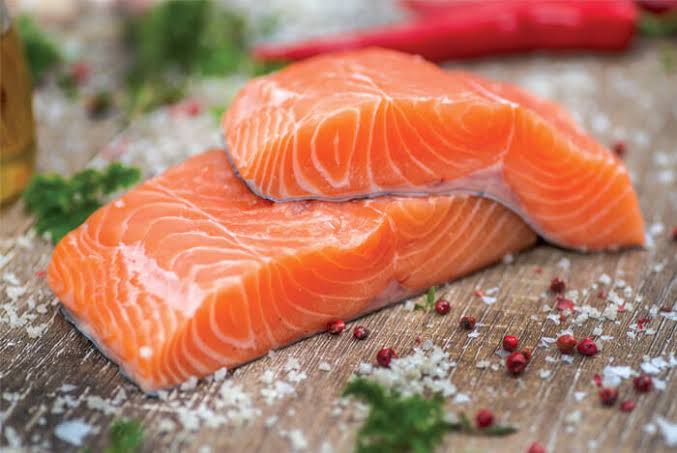
Are your eyes dry and aggravated all the time? Eating sleek fish like fish, trout, mackerel, sardines and salmon, which contain omega-3s, a few times each week might give some help. Dry eye disorder is brought about by deficient tear creation and an absence of tear film over the eyes. While they might appear exclusively water-based, tears likewise contain a bodily fluid and oil part, so an absence of fundamental unsaturated fats like DHA and EPA might add to dry eye indications. Research recommends that expanding admission can fundamentally further develop manifestations, on account of expanded tear creation and the mitigating impacts produced by omega-3s.
Almonds
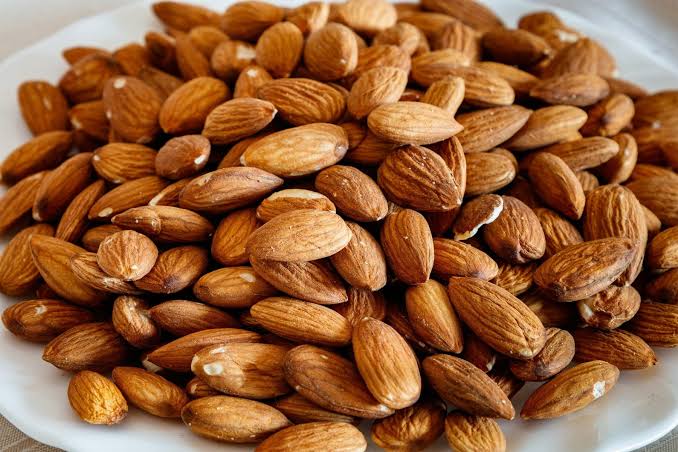
Vitamin E is a strong cancer prevention agent that secures cells all through the body, remembering those for the eyes. Oxidative harm brought about by natural openings to contamination, smoke and destructive beams can gradually negatively affect the cells in the eye and others associated with visual perception, yet vitamin E attempts to stop this harm by killing free revolutionaries. Fusing more vitamin E-rich food sources like almonds is significant for eye wellbeing, just as generally speaking wellbeing, and almonds are a top source. One ounce of dry-cooked almonds (around 23) gives 45% of day by day needs. Other great sources incorporate sunflower seeds, hazelnuts, peanut butter and avocado.
Beans
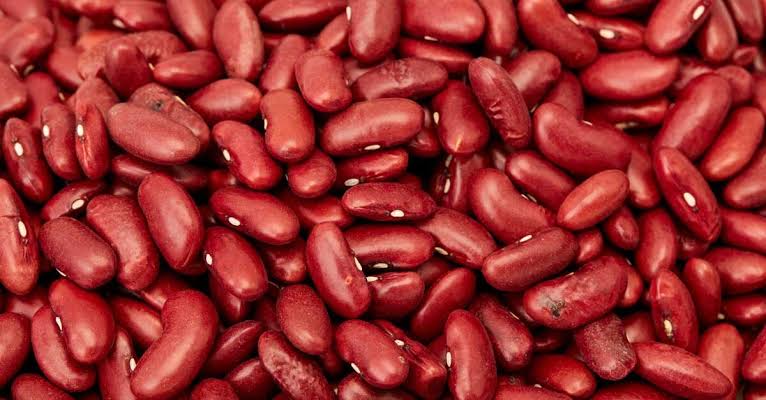
Did you had any idea that carb decisions can affect eye wellbeing? In the Age-Related Eye Disease Study, people who consumed slims down contained higher-glycemic starch decisions were fundamentally bound to have vision misfortune originating from age-related macular degeneration. This implies trading higher-glycemic food varieties (like refined grains, nibble food varieties and drinks with added sugars) for lower-glycemic, higher-fiber decisions like beans and entire grains is significant. On top of advancing sound glucose guideline, beans (canned and dried) are likewise a decent wellsprings of other significant eye supplements like zinc and B nutrients.
 Human Health
Leave a comment